


Understanding the Character of Different Finishes
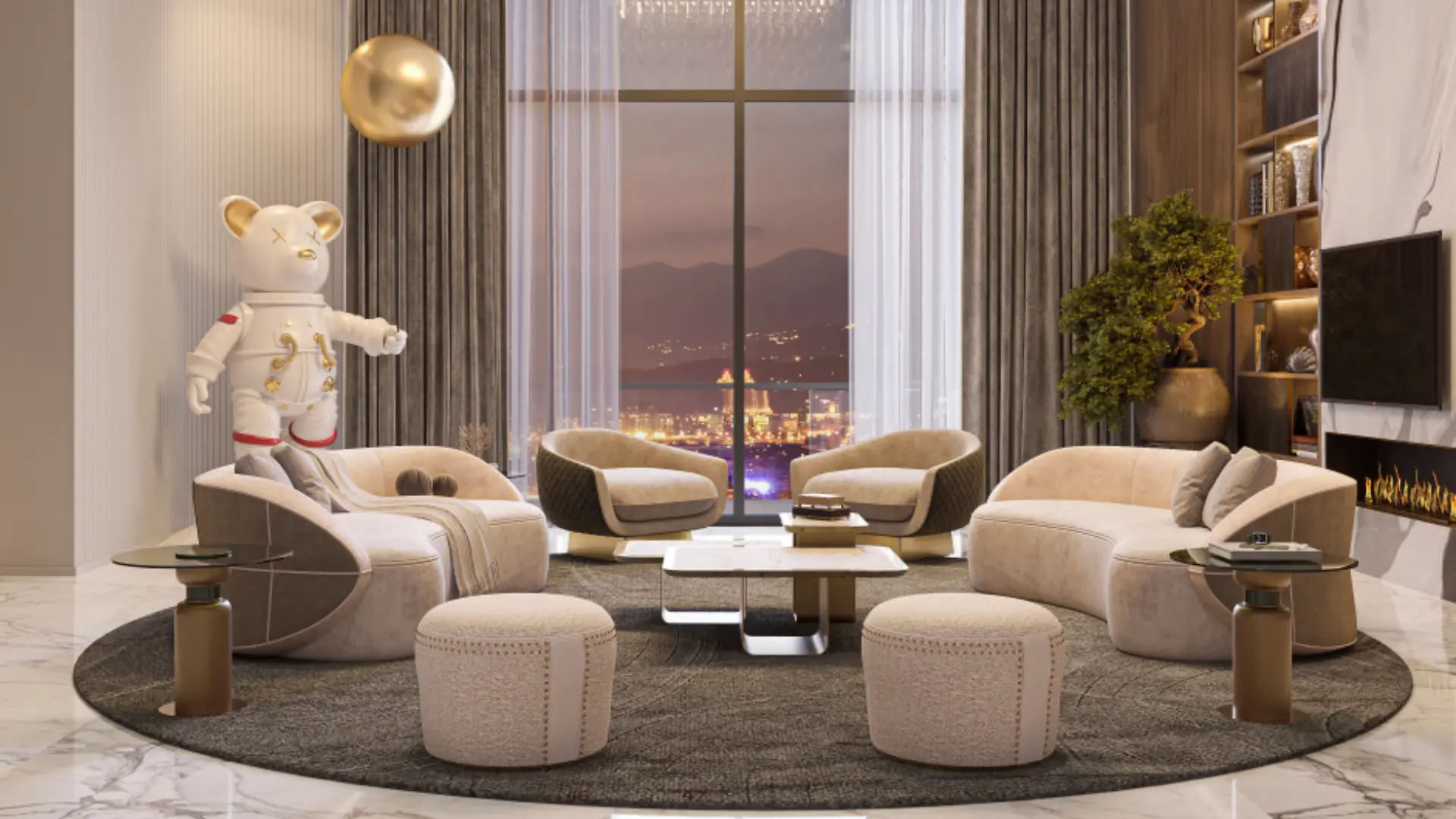
Every surface has a distinct visual quality. Matte finishes offer a soft, understated appearance, making them suitable for spaces where subtlety and balance are important. They reduce reflections and allow the form, colour and proportions of a furniture piece to remain the focus.
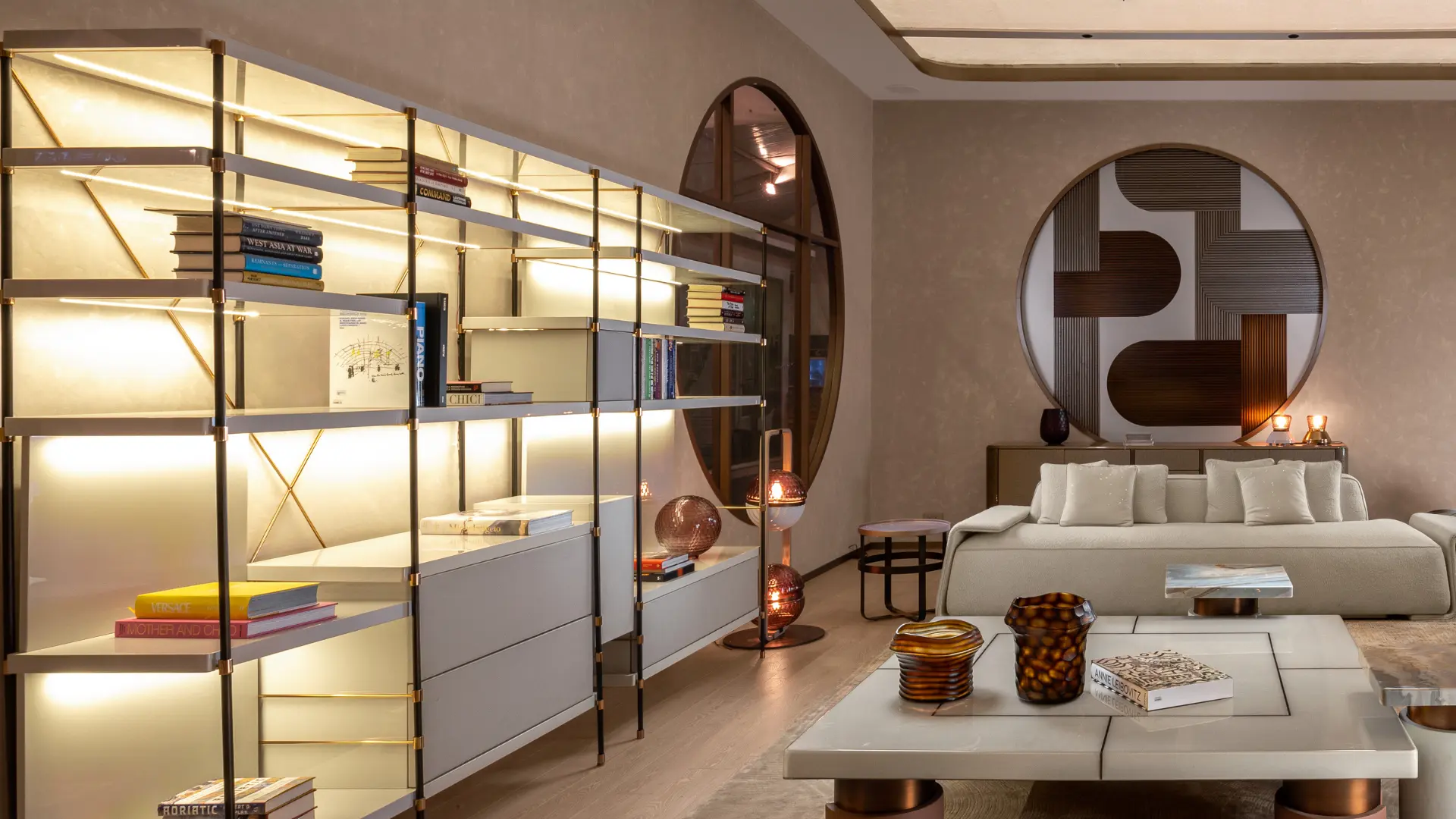
Glossy finishes behave differently. Their reflective quality captures light and surrounding shapes, adding brightness and a sense of movement. Used thoughtfully, they can draw attention to specific furniture elements or create contrast against quieter surfaces.
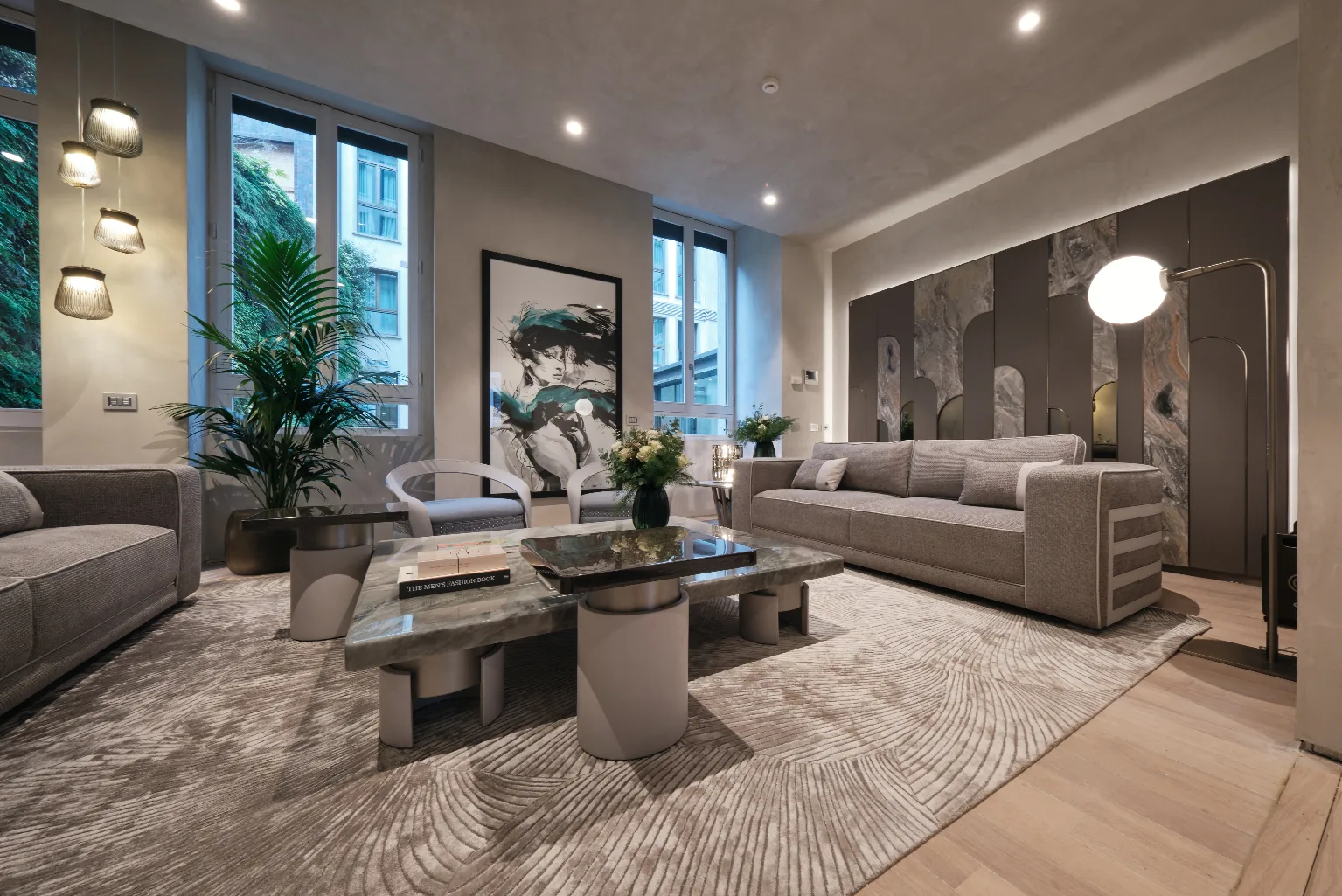
Textured finishes introduce another dimension. Whether through upholstery, wood grain, stone, or other tactile materials, texture creates variations that become visible as light moves across a surface. These details add complexity without relying on strong colours or decorative patterns.
How Light Influences Surface Contrast
Light plays an essential role in how finishes are perceived. A glossy surface may reflect a window or nearby light source, while a matte surface maintains a more consistent appearance. Textured materials can reveal subtle shadows, highlighting their grain, weave or natural variation.
These differences become particularly noticeable when materials sit alongside one another. A polished table against a matte wall, for example, creates a distinction between reflection and absorption. Similarly, textured upholstery paired with a smooth furniture frame introduces contrast without disrupting the overall composition.
The direction and intensity of light also matter. Natural daylight can reveal surface details gradually throughout the day, while artificial lighting can emphasise particular finishes after dark. Considering these changes helps ensure that materials work together under different conditions.
Creating Balance Through Material Combinations
Well-considered living spaces rarely depend on one finish alone. The relationship between surfaces is what gives a composition its character. Too many reflective materials may create visual competition, while an arrangement dominated by similar matte finishes can lack variation.
A considered approach begins with the intended atmosphere of the space. Matte surfaces can establish a calm foundation, glossy elements can introduce controlled highlights, and textured materials can add warmth and tactile interest. Their proportions should reflect the scale of the room and the role of each furniture piece.
In contemporary spaces, these combinations work best when they support the architecture and luxury furniture rather than compete with them. For luxury home interiors and furniture, the balance between surface finishes can help establish visual depth without introducing unnecessary ornamentation. The aim is not to use every finish equally, but to understand what each contributes to the overall composition.
A More Considered Approach to Material Selection
The contrast between matte, glossy and textured finishes demonstrates how material choices influence the experience of a living space. Beyond colour, surfaces affect light, depth and the way furniture relates to its surroundings.
When selected with care, different finishes create a balanced visual language. Each retains its individual character while contributing to a cohesive living space, where even the smallest surface details help define the whole.


